
Creators, Puppets, and the Stories People Believe
Crimson LakeThis thread examines stories as instruments of devotion, manipulation, and control, following the way Jake Scully’s fiction shapes readers and the way Harrison turns a fabricated narrative into a weapon.
increasing Bearing strength in each event
 decreasing
Bearing strength in each eventdecreasingA Fictional World with Real Followers
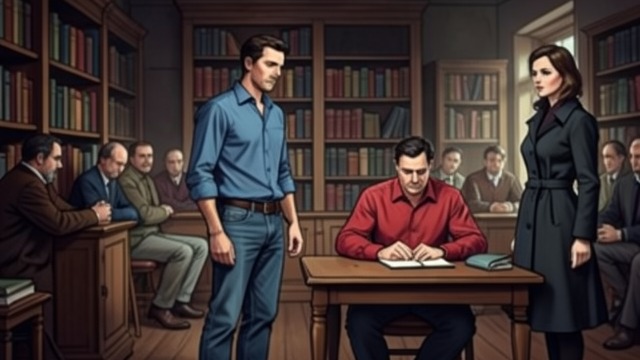
Stories acquire authority
A popular reinterpretation
Jake Scully builds the Last Light Chronicles from biblical material recast as dramatic fiction for young readers. The series becomes a major success, drawing fans who connect its apocalyptic world to their own faith, fears, and hopes.
The reader’s investment
Amanda explains that the books mattered intensely to readers in prison, where people shared them aloud and guarded against spoilers. Their attachment is not merely to plot; readers invest personal identity and emotional need in a world that offers a language for good, evil, danger, and belonging.
Meaning that escapes its maker
Jake may intend fiction, but readers can treat it as prophecy or revelation. The gap between a writer’s purpose and an audience’s interpretation creates the conditions for Ormund Smitt’s conspiracy theory and Harrison’s later manipulation of the fan’s devotion.
The Shadow Behind Adam
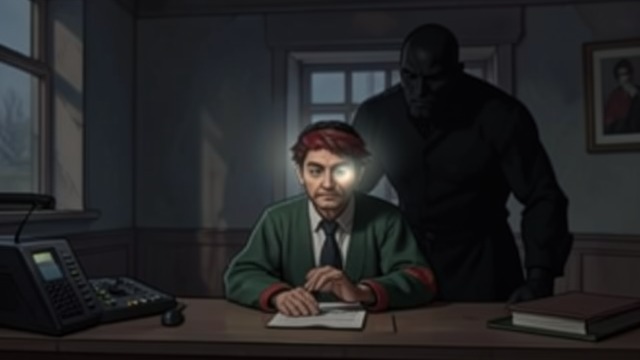
Fiction echoes a life
A pursuing presence
Amanda notices that a shadowy pursuer appears in Jake’s later novels whenever the character Adam is alone. In one passage the creature consumes what Adam leaves behind; later, Adam seems drawn to the light that helps it follow him.
A reading of addiction
Ted and Amanda connect the imagery to the Faustus legend and consider whether the shadow reflects Jake’s own sense of being pursued by the consequences of his choices. Jake’s gambling and cocaine use offer one possible context, but the literary interpretation remains a hypothesis rather than a confession.
The power of an image
The passages make private fear legible without proving what Jake intended. Their ambiguity allows different readers to build different explanations: Amanda and Ted look for biographical meaning, while Ormund treats the books as coded warnings about the end of the world.
The Fan Who Reads a Message
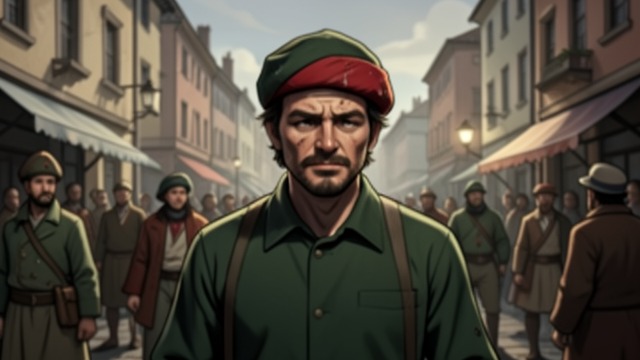
Interpretation becomes conviction
A theory of hidden knowledge
Ormund tells Ted and Amanda that Jake encoded warnings about an approaching catastrophe in his fiction. He links the author’s family history to national security and claims that Jake went into hiding rather than risk being silenced.
Belief as identity
Ormund does not present the theory as a tentative reading. It gives him a special role: he believes he can decode what ordinary readers cannot. When Amanda challenges his claims, he treats their skepticism as proof that they are unworthy of the secret.
A vulnerable target
Ormund’s fixation makes him an apparent suspect, but his beliefs do not establish that he killed Jake. Harrison later exploits this ready-made narrative, using Ormund’s devotion to provide a believable suspect and a trail of misleading evidence.
The Son Writes a False Author
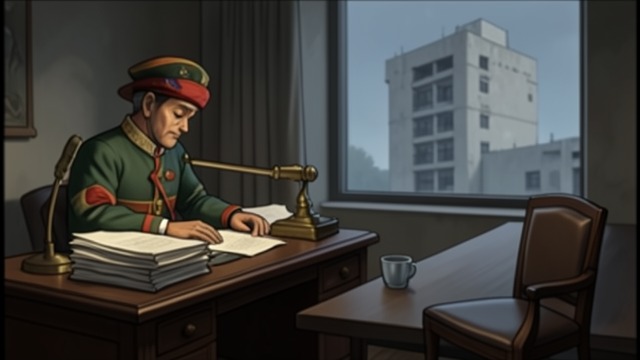
A counterfeit voice
Letters built to persuade
Ted and Amanda find printed emails that seem to come from a possessive, threatening fan. Their language suggests someone watching Jake’s family and trespassing into his private life. The messages are designed to make Ormund look like a dangerous obsessive.
The manuscript that breaks the story
Ted realizes that an actual obsessive reader would likely have noticed or taken Jake’s unfinished manuscript. Its untouched presence in the office contradicts the imagined intruder who claims to occupy Jake’s home. The detail shifts suspicion toward someone who knew the family and understood how to exploit Ormund’s fixation.
Harrison’s authorship
Harrison wrote the emails and staged evidence to frame Ormund, then used a fabricated threat against himself to lure Jake out of bed. The case turns on a brutal irony: Harrison uses the power of narrative to make his father act, while presenting himself as a character endangered by someone else’s story.
The Child Who Was Not a Puppet

A rebellion against control
The author as authority
Harrison describes feeling controlled by his father and resenting Jake’s decision to send him to a rehabilitation program. He casts Jake as a godlike figure whose authority could shape his future, echoing the creator-and-character language in the threatening letters.
Choosing the plot
Harrison and Zoe first kill Teresa Miller after interfering with her car, then consider murdering the adults around them. Harrison describes the first crime as easy and exhilarating, and later arranges Jake’s death by luring him to the pier and directing him toward a concealed trap.
Agency without innocence
The language of characters escaping their creator does not excuse Harrison’s choices. He turns a metaphor about control into a justification for killing the people whose authority frustrates him. The novel distinguishes a character’s desire for freedom from the moral responsibility to others that freedom cannot erase.
As Jake Scully’s Last Light Chronicles become a publishing success
While Ted and Amanda compare passages in Whisper, Rise, and Rapture
During the Skype conversation with Ormund Smitt
When Ted identifies the forged emails in Jake’s hidden car
During Harrison’s confession on the pier
